


Types of THC

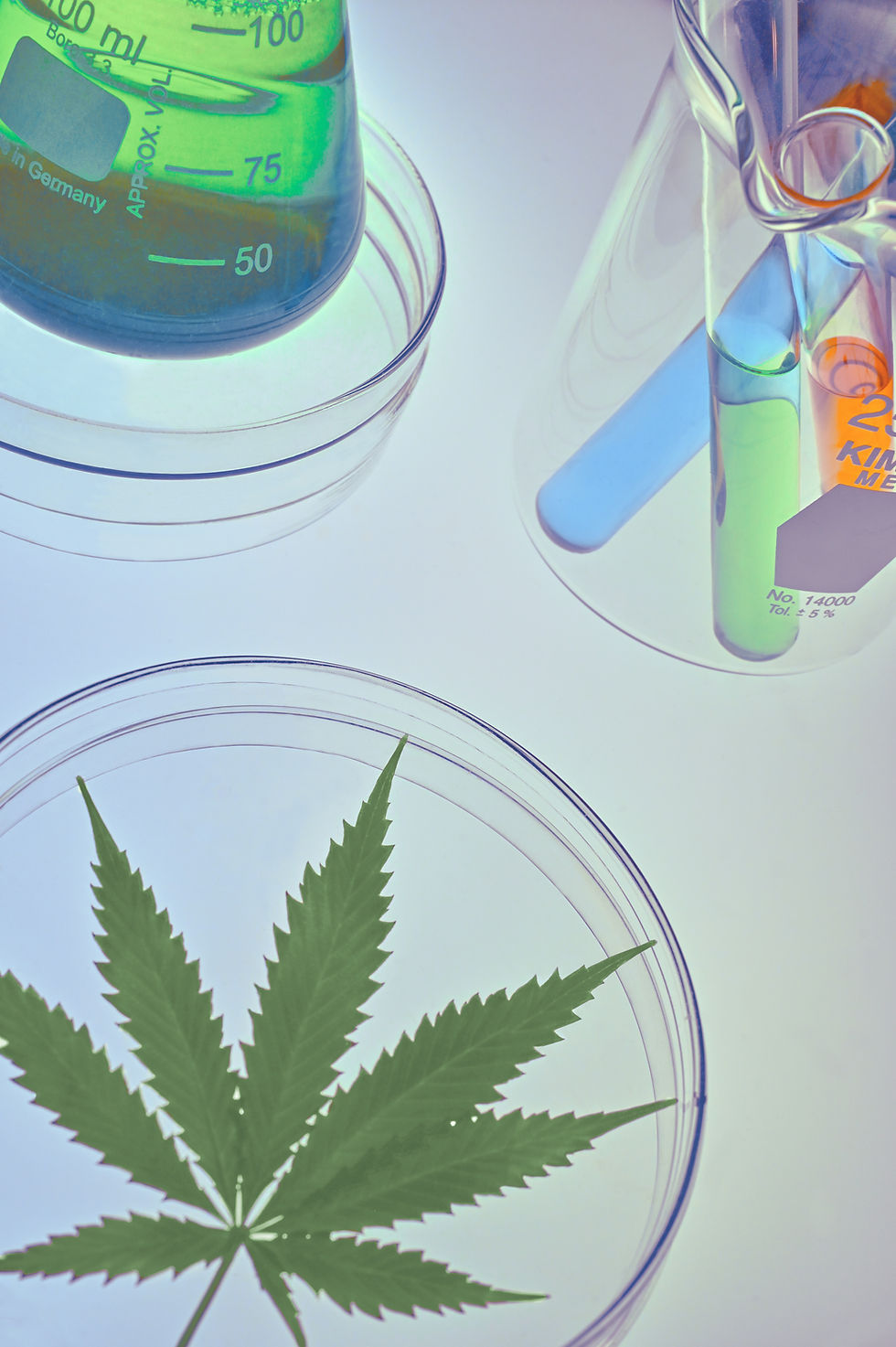
THC (tetrahydrocannabinol) is the main psychoactive compound in cannabis—and it's not just one type. There are different forms of THC with unique effects, strengths, and medical potential.
Here’s a quick breakdown of the main types of THC:
🌿 Main Types of THC
1. Delta-9 THC
✅ Most common and potent form
Found in: traditional cannabis (flower, vapes, edibles)
Effects: Euphoria, relaxation, increased appetite, altered perception
Therapeutic use: Pain relief, nausea, anxiety (in low doses), appetite stimulation
2. Delta-8 THC
A milder isomer of Delta-9
Often derived from CBD in hemp
Effects: Calmer high, less anxiety and paranoia
Legal in more places due to hemp laws (gray area in U.S.)
Therapeutic use: Mild pain relief, anti-nausea, appetite boost
3. Delta-10 THC
Another mild isomer
Effects: Uplifting, creative, energetic (often compared to a Sativa)
Less studied, often lab-created from CBD
Legal status: Varies; often unregulated
4. THCA (Tetrahydrocannabinolic Acid)
The non-psychoactive precursor to THC
Found in raw cannabis
Converts to Delta-9 when heated (decarboxylation)
Therapeutic use: Anti-inflammatory, neuroprotective, potential in autoimmune conditions
5. THCV (Tetrahydrocannabivarin)
Chemically similar to THC, but with different effects
Low doses: May suppress appetite and act as a stimulant
High doses: Can produce mild psychoactive effects
Medical potential: Weight loss, blood sugar control, anxiety regulation
6. THCP (Tetrahydrocannabiphorol)
Discovered in 2019
May bind to CB1 receptors 33x more than Delta-9 THC
Effects: Possibly much more potent—but still under research
Found in tiny amounts in some cannabis strains
🧪 Summary Table
Type | Strength | Psychoactive? | Common Uses |
Delta-9 | Strong | ✅ Yes | Pain, nausea, anxiety, insomnia |
Delta-8 | Mild | ✅ Yes | Anxiety relief, appetite, calm |
Delta-10 | Mild | ✅ Yes | Focus, energy, creativity |
THCA | None | ❌ No | Anti-inflammatory, neuroprotection |
THCV | Mild | ✅/❌ Varies | Appetite suppression, energy |
THCP | Very Strong | ✅ Yes | Experimental—strong effects |

Comments